
$380 Billion in Gulf Real Estate Transactions in 2025
- Views: 53

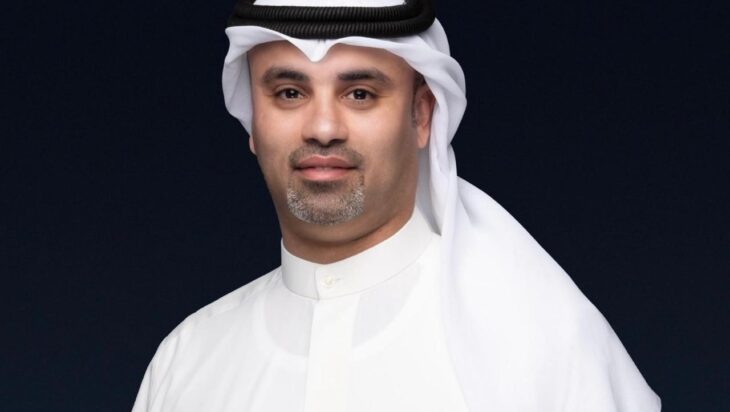
Al-Husseinan: Geopolitical Developments Are Reshaping Real Estate Investment Priorities in the Gulf
Kuwaiti economist and real estate expert Abdulrahman Al-Husseinan affirmed that the current geopolitical developments in the Middle East cannot be separated from the broader economic landscape of the Gulf Cooperation Council (GCC) countries. He noted that the Gulf real estate market is responding to these events due to the strong interconnection between local economies and cross-border investments.
In a press statement, Al-Husseinan said that the Gulf economy today is open and interconnected. “We are not dealing with an isolated local market, but with an integrated investment system whose impact extends across all GCC countries,” he said. He added that joint data indicate that total real estate transaction values across the Gulf exceeded $380 billion by the end of 2025, with expectations of continued growth across residential, investment, and commercial segments in the future.
He explained that this interconnection links the impact of political developments to investor expectations, particularly in terms of demand for safe real estate assets and fixed assets compared to high-risk investments.
He added: “Given that the real estate sector contributes approximately 15–18% of GDP in some GCC countries, any geopolitical concern that affects investor confidence automatically leads to a temporary slowdown in major transactions.”
Al-Husseinan pointed out that the current impact is more visible in market sentiment rather than in strong economic fundamentals. He noted that the supply-demand gap remains contained in many Gulf markets thanks to liquidity, financial solvency, and domestic demand supported by rising income levels and increasing urbanization rates.
He further stated that the slowdown observed in some real estate segments does not reflect weakness in the market, but rather represents a postponement of major investment decisions until the broader geopolitical and global political landscape becomes clearer.
He emphasized that GCC countries have successfully introduced regulatory frameworks that enhance market transparency and increase investment attractiveness. Official data in most Gulf countries continue to show steady growth in real estate trading activity among local and Gulf investors in both residential and investment sectors, even amid current tensions.
He added that the cautious sentiment currently seen in the market does not reflect the intrinsic value of assets, but rather the timing of entry into major transactions. In the event of a swift containment of geopolitical tensions, the Gulf real estate market is likely to quickly regain its momentum—particularly as prices in many Gulf markets remain below their historical peak levels in certain segments, creating genuine opportunities for investors with sufficient liquidity.
He concluded by stating that political and security stability remains the decisive factor in restoring full market activity. However, he stressed that the region is not facing an economic collapse or weakened real estate fundamentals. What we are witnessing, he said, is a calculated period of evaluation and cautious anticipation by investors, and its impact is expected to remain short-term unless tensions persist for an extended period.
You Might Like