
Shalimar Sharbatly: Visual Arts Face Big Challenges in the Arab World
- Views: 121

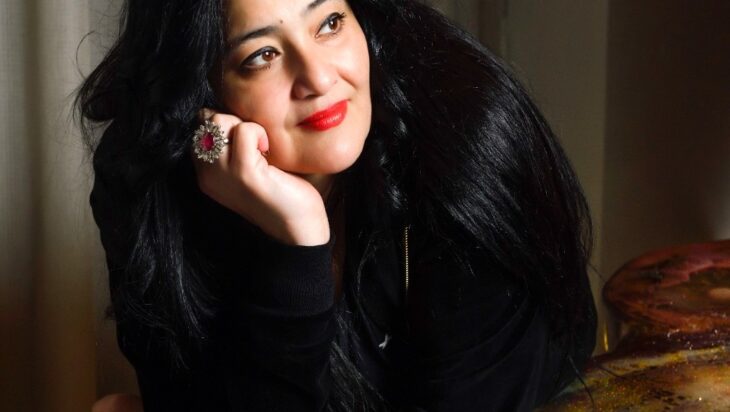
Lack of institutional support hinders transforming visual art into a viable Arab industry
We possess a rich artistic heritage, yet fail to convert it into a sustainable industry
Cairo – January 2026
Renowned visual artist Shalimar Sharbatly has affirmed that visual art is among the professions most affected by societal misunderstanding in the Arab world, noting that cinema and media outlets have, over many years, contributed to distorting the image of the visual artist and presenting it in an unrealistic manner which negatively impacts the profession’s status and its true role in society.
In a televised interview, Sharbatly explained that visual artists are often perceived as “an obstacle to truth,” a perception rooted in historical misconceptions about the nature of art and the role of the artist. She stressed that the core challenge lies in the failure to transform visual art into a structured, independent industry, unlike cinema, theater, and music.
She added that star-making in other artistic fields is supported by integrated institutional systems that back every stage of production from concept development to execution and marketing. In contrast, visual art lacks comparable institutional support, limiting its growth and its ability to reach global markets.
Sharbatly emphasized that turning visual art into a genuine industry requires greater societal awareness, serious support from decision-makers, and taking on professional strategies to market visual art both regionally and internationally. She noted that visual art represents a fundamental pillar of human life, closely tied to beauty and visual perception, one of the most powerful tools of human cognition.
She further highlighted the role of visual artists in conveying civilization and shaping aesthetic awareness. She pointed out that their influence extends across various aspects of life, including medicine, through indirect contributions to understanding balance and beauty. According to Sharbatly, artists possess the unique ability to offer new perspectives on the world and reshape how people perceive life.
Addressing the state of visual art in the Arab world, Sharbatly acknowledged that challenges remain significant despite promising potential in some Gulf countries. She noted that Egypt, in particular, holds a vast artistic and cultural legacy spanning thousands of years; however, shifts in societal awareness have led to declining interest in art and the emergence of social patterns that have affected urban priorities and cultural roles.
She concluded by underscoring that true urbanization is founded on respect for others and acceptance of cultural, religious, and human diversity, citing Europe’s post-cultural revolution experience, which established values of openness and coexistence. Sharbatly reaffirmed that visual art remains one of the most powerful tools for building civilization and fostering human dialogue.
You Might Like